


The Briefcase #46: Football’s Greatest Accounting Own Goals
Written by: AccountingCPD | Published: 12th Jun 2026 | Updated: 12th Jun 2026
Football is full of mistakes. Some people’s fondest memories are when things go wrong – a misplaced tackle or an own goal are part of the game’s rich tapestry. And as a Birkenhead bard once sang, even men with steel hearts love to see a dog on the pitch.
With the World Cup kicking off yesterday, we thought we’d celebrate a different kind of football disaster, and one our audience might be more familiar with. Yes, we’re looking at the most exciting element of the beautiful game – the accounts.
🏟️ Barceloaner
Barcelona’s finances have become one of modern football’s great mysteries. Every year the club appears to be broke, and every year it buys a load of very expensive players.
Years of huge revenues during the Messi era were matched by enormous wage bills and expensive contracts. Then COVID arrived and revenues collapsed, debts piled up.
Barcelona responded by pulling a series of famous “economic levers” – selling future revenues, restructuring assets, and finding increasingly creative ways to remain competitive, which, to be fair, is quite exciting.
The strange thing is that this is not really an accounting scandal and, in fact, many of the mechanisms are perfectly legitimate. The challenge is that Barcelona’s finances became so complicated that every answered question prompted more questions. A neverending press conference.
Today the club’s revenues are recovering, the Camp Nou redevelopment should boost income further, and yet Barcelona still appear in transfer rumours involving players they supposedly cannot afford. Like an underdog story where the underdog is overwhelmingly rich.
🦉 Owl or nothing
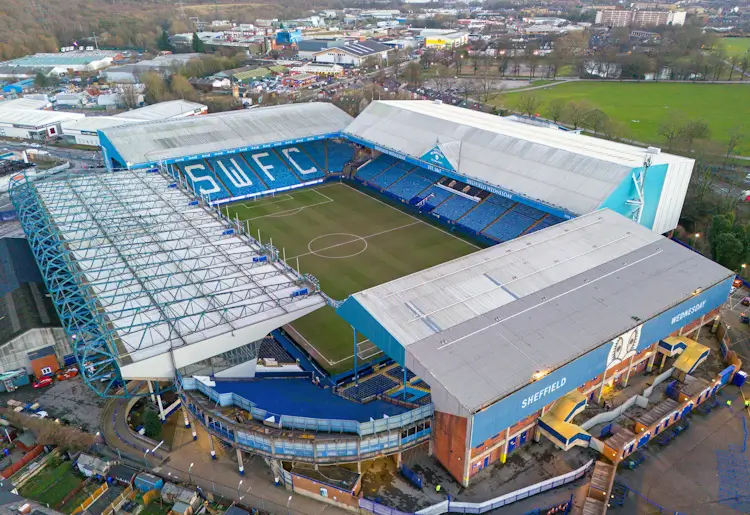
Most football clubs miss out on points because they lose matches, but Sheffield Wednesday took another tack and actually lost points. Admittedly, they did also lose matches.
Under Dejphon Chansiri’s ownership, the club endured years of financial turmoil, late wage payments, tax issues, transfer embargoes, fan protests and, eventually, administration. By 2025, the EFL had deducted points for financial breaches, then deducted more points for more financial breaches, creating the unusual situation where Sheffield Wednesday’s main rival was the league itself.
At one stage, the club found itself on negative points, with supporters openly discussing not whether they would be relegated, but how many points below zero they might finish, which is something you don’t want your supporters discussing.
Eventually, new owners arrived, creditors were negotiated with, and a deal was struck that avoided a further 15-point deduction that had looked inevitable. Which has left the Wednesday fans in the strange situation where they have been relegated, but could celebrate a positive result, pointswise.
🤪 Don and gone
In the early 2000s, Wimbledon FC was under serious financial pressure. They had no permanent home, falling attendances, and growing debts. Administration followed, salaries became difficult to fund and the search for a financial solution grew increasingly desperate. The club that had won the FA Cup just over a decade ago was in dire straits.
The solution eventually proposed was extraordinary, at least for European clubs – Americans do it all the time. The club moved 46 miles away to Milton Keynes. The owners argued this was the only viable route to survival. A new location meant new investment, a new stadium and a chance to secure the club’s future.
After years of failed stadium plans and worsening finances, an FA commission agreed. And the plan worked! The business survived and eventually became MK Dons.
Naturally, though, this isn’t the end of the story. Thousands walked away, formed AFC Wimbledon and started again near the bottom of the football pyramid. These things often happen when people are expected to visit Milton Keynes.
It’s a fascinating accounting lesson. The legal entity and the assets survived, but the customers left.
🧸 Ranger danger
Now, you might think referees rule the roost when it comes to football. And you’d be right – they have unfettered control over the way the sport is played. But, as we’ve learnt, HMRC is also a pretty big deal sometimes, and they’re even less human.
In 2012, Rangers were carrying substantial debts, including disputes with HMRC over tax arrangements and unpaid liabilities. The club entered administration, received a points deduction, and attempts to reach a deal with creditors ultimately failed.
The numbers involved were enormous. At various points, estimates of potential tax liabilities ran into tens of millions of pounds, while total debts were reported at more than £100 million. This is a remarkable achievement when your room for variance is between first and second in the league – ironic for a club called Rangers to have so little of it.
What followed remains hotly debated. The club’s business and assets were sold to a new company and Rangers restarted in the lower divisions. Scottish football has spent the years since arguing about whether a new club called Rangers is actually Rangers.

⚪ The whites in the red
As we’ve seen, lots of football clubs experience financial problems, but “Doing a Leeds” became shorthand for “experiencing financial problems”.
But at the turn of the century, Leeds had a squad packed with young talent and a chairman determined to turn the club into a permanent member of football’s elite.
The problem was that much of the spending was based on an assumption that Champions League qualification would continue indefinitely. Loans were taken out against future revenues, transfer spending accelerated, and wages climbed.
However, Leeds narrowly missed out on Champions League qualification, and the financial model collapsed with it. Within a few years, the club had gone from challenging Real Madrid in Europe to dropping into the third tier for the first time in its history. Leeds lost the lead.
🧠 Final thoughts
What do all these failures reveal? Well, you might have had the odd flutter while watching a game, but no one gambles as hard on success as a football club’s accountant. If you’re worried about your boss pushing for optimistic accounting, take solace in not being one of these unlucky souls.
That said, if you’ve had the misfortune of supporting a football team, you’ll recognise the crooked cognition that’s led all these teams to the brink.
Ready to power up your CPD?


Updated 12th Jun 2026 | 6 min read